Effective Tips for Cleaning Commercial Vinyl Floors
Good commercial vinyl floor cleaning starts with a dry pass to lift loose grit, followed by a damp mop and a neutral pH cleaner made for commercial vinyl and VCT. Abrasive pads and harsh chemicals dull the finish over time, so leave them out of the routine. Keep a steady maintenance schedule, and strip and refinish high-traffic areas on a set cycle before wear starts to show.
Commercial floors need to be very durable due to the large amounts of foot traffic they experience every day. Keeping the floors clean might prove to be quite a challenge. In this article, we will look at how to Clean VCT Floors, how to clean vinyl floors, and the best way to get the most out of your commercial flooring.
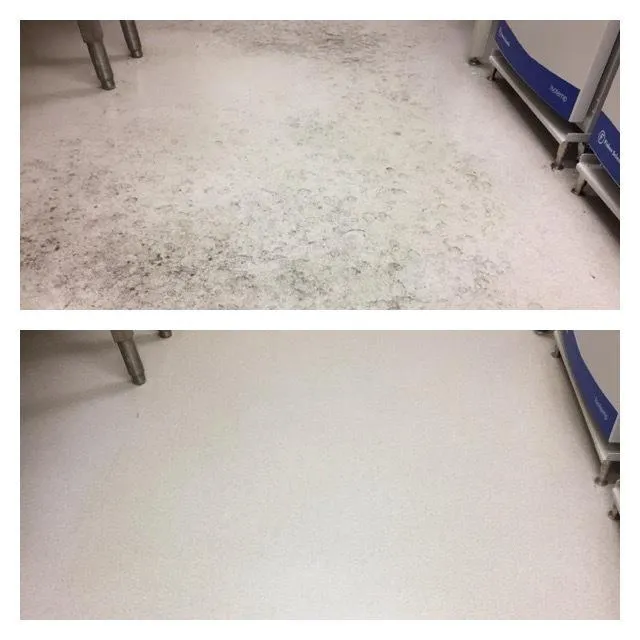
Commercial flooring is tested daily, so maintenance is the key to a longer-lasting floor. The floor should be cleaned daily, and heavy furniture and equipment must be moved at least once a month to ensure that the floor doesn’t become discolored or dented.
A floor maintenance plan should be developed as soon as the floor has been installed.
What is Commercial Vinyl Tile Flooring?
Commercial vinyl tile is a dense, resilient floor made from natural and synthetic polymers. It shows up anywhere that takes heavy daily traffic, from offices to hospitals, and it runs tougher than residential vinyl.
Commercial vinyl tile flooring is a durable flooring product that is constructed from a combination of natural and synthetic polymer materials. It can be found in most commercial buildings, hospitals, schools, and hotel lobbies.
The main difference between commercial tile flooring and residential flooring is the density of the flooring. Commercial flooring requires much harder materials, while residential flooring gives a more cozy feel.
Material Needed to clean Commercial Vinyl Tile Flooring
You do not need much for routine cleaning. A dust mop and a microfiber mop handle the surface, a mild cleaner does the washing, and a wax finish seals the floor.
To get started you will need the correct materials. Assemble the following:
- A broom
- Microfiber mop
- Soft microfiber towel
- Detergent
- Wax floor polish
- Tile cleaner
- Apple cider vinegar
- Baking soda
Commercial Vinyl Tile Floor Cleaning Process
Clear loose dirt first, then damp mop, dry the floor fully, and seal with a fresh finish. The order matters as much as the products, since drying before you seal keeps water out of the seams.
The aim is to obtain sparkling clean floors, but without damaging the floor in the process. Follow this step-by-step guide, for commercial floors so clean, you can eat off them.
- Wipe up any visible spills as soon as they occur. The floor should be mopped daily using plain water.
- Vacuum and then dry mop the floor to remove surface dirt, loose debris, dust, and hair.
- Clean the floor using a wet mop. Ensure that you pay special attention to the corners, baseboards, and under the furniture.
- Apple cider vinegar is your best friend when it comes to cleaning commercial vinyl floors. This product can be found in most stores and is the perfect strong cleaning solution that won’t damage the floor. It helps remove dirt and grime without leaving a buildup of soap or wax. Mix one cup of cider vinegar with a gallon of hot water. If you want to disinfect as you clean, substitute the cider vinegar with white vinegar.
- If the floor is exceptionally dirty, add a few drops of detergent. Mop the floor with this soap mixture.
- Mop the floor again adding vinegar to the water.
- Stubborn stains can be removed using WD-40 or jojoba oil.
- Ensure that the floor is dry before you open the area again. You can speed up this process by using fans.
- Seal the floor using a wax floor polish.
Tips for Cleaning Commercial Vinyl Tile Flooring
These tips cover shine, ground-in dirt, and the products worth keeping off the floor. The common thread is gentle cleaning, since a mild routine protects the finish and the finish protects the tile.
How To Make Vinyl Flooring Shine
Adding a few drops of baby oil to a vinegar and water solution will have your floors shining like the sun. Baby oil won’t cause any damage to the floor as it’s gentle and non-abrasive.
How To Clean Vinyl Floors With Ground-In Dirt
Sprinkle baking soda over the floor. Add a few drops of dish soap to a vinegar and water solution. Mop the floor using this mixture. Use a microfiber mop. The baking soda will work as a gentle souring agent. Once you have finished mopping, rinse the floor using clean water until there are no more traces of baking soda or soap build-up.
Best Way To Clean Vinyl Floors
Always use a damp mop to apply to the floor and ensure that you rinse the mop frequently using clean water. Mop the floor using a soap mixture, then a second time using the water and vinegar mixture.
What Is The Best Cleaner For Vinyl Floors?
You don’t need expensive cleaning products and complicated mixtures for everyday cleaning. A simple solution of hot soapy water, with apple cider vinegar, is all it takes to have your floors looking brand new. The vinegar’s acidity removes dirt and grim without leaving a soapy film.
Top Tips
- Always sweep the floor before mopping.
- Use plain warm water if your floor is free of stains.
- To remove stubborn grease use a few drops of dishwashing soap to cut through the oil.
- Don’t use any products that contain ammonia. Instead, use a gentle soap solution.
- Apple cider vinegar is ideal for removing grime and won’t damage your floor.
- Stubborn stains and ground-in dirt can be removed using baking powder.
- Ink can be removed using an alcohol solution. The alcohol solvent will lift out the stain. Use a soft-bristled brush so you don’t damage the floor.
- Scratch marks from heavy furniture and high traffic can be removed using WD-40. This will restore the sheen.
- Don’t use too much water. The floor should be damp, not wet. Although vinyl is waterproof, water can seep between the joints of the planks and cause irreversible damage.
- Clean the outer edges of the stain first, then work toward the center.
- Always rinse the floor after cleaning and then let them air dry.
- If the floor is labeled as a no-wax, adhere to the instructions.
Why Stripping and Sealing Your VCT Floor Matters
Stripping pulls the old worn finish off so a fresh sealer can bond, and that sealer is the wear layer your VCT needs to survive foot traffic. Most floors need it about once a year, more in high-traffic areas.
Regular cleaning keeps a floor looking good, but it can only do so much. Scuffs and deep embedded stains work down into the finish, and no amount of mopping pulls them back out. That is the job stripping does.
Stripping takes the old sealer all the way off the tile, down to the bare surface. It matters because a fresh coat will not bond over a worn, dirty finish. The old layer has to come off in full before a new one goes down.
The tile itself is not made to be walked on bare. It needs a coat on top. The sealer is the wear layer, the part that takes the scuffs and foot traffic so the tile underneath stays protected. Once it wears through, traffic starts grinding on the tile, and that damage does not buff out.
How often you strip and reseal comes down to traffic. A quiet back office can run a year or more between full cycles. A lobby or entrance that drags in grit from outside often needs it closer to twice a year, sometimes more. When the finish looks dull right after a clean, that is your cue a reseal is due.
Keeping to that schedule is the core of good commercial VCT maintenance, and it is what lets a floor reach its full service life instead of failing years early.
Frequently Asked Questions About Commercial Vinyl Tile Floor Cleaning
What is the best way to clean commercial vinyl tile floors?
For commercial vinyl tile, a neutral pH cleaner is the safest everyday choice, since it cleans without wearing down the floor finish. Knowing how to clean commercial vinyl flooring comes down to that gentle routine, a quick clear of loose dirt and then a damp mop. The best cleaner for commercial vinyl flooring is usually the mildest one that still gets the floor properly clean.
How do you remove ground-in dirt from vinyl floors?
Ground-in dirt sits down in the texture, where a mop just glides over the top of it. Cleaning commercial tile floors this dirty takes a machine scrub with the right pad, which pulls embedded soil out far better than mopping does. If grey stays after a good scrub, the finish is worn into the lane and needs a fresh coat rather than more cleaning.
How often should VCT floors be cleaned and maintained?
For most offices, VCT floor cleaning runs on a simple rhythm, a daily dust mop and a weekly damp clean to keep grit off the finish. Busier buildings need both more often. The step people forget is the finish, buffed between deeper services to bring the shine back, and that ongoing care is what good VCT tile maintenance really comes down to.
Can commercial vinyl floors be cleaned with a mop, or do they need a floor scrubber?
A mop handles daily touch-ups and smaller spaces just fine. For bigger areas or heavier traffic, commercial VCT cleaning usually moves to a walk-behind auto scrubber, which cleans more evenly and reaches into the texture a mop skims over. Plenty of facilities keep both, a mop for spot work and a scrubber for the full floor.
What cleaning products should be avoided on commercial vinyl tile floors?
Skip ammonia-based cleaners and any strong alkaline stripper used as an everyday product, since both wear the finish down early. Oil-based polishes and oil soaps are another one to avoid, because they leave a slick film that attracts dirt and turns into a slip risk. Abrasive pads and scouring powders round out the list, leaving fine scratches that dull the shine. For routine commercial floor tile cleaning, a mild neutral pH cleaner and a soft pad are all a vinyl floor really needs.
How often should VCT floors be stripped and refinished?
Stripping and refinishing happens on a cycle. Most office floors are due about once a year, and high-traffic spaces need it more often. You will see it on the floor when the traffic lanes start to show and a fresh finish no longer brings the shine back.
Pacific Modular handles commercial vinyl floor cleaning and VCT maintenance across the Pacific Northwest. See our commercial flooring Portland and commercial flooring Seattle pages for a plan built around your building and its traffic.
Conclusion
Cleaning commercial tile flooring can be challenging but with the correct products and the right techniques, you can get the job done quickly and effectively. Always ensure that you use the correct cleaning products and materials. Clean your floors from left to right for the ideal result.
Regular maintenance is the solution to prevent dirt and grime build-up. You should call in a professional cleaning crew at least once every three months to ensure that your flooring remains in tip-top condition.
Call us today for a free quote or complete our convenient online form. One of our experts will get back to you.