How to Choose the Best Tile and Grout Cleaner for Your Office
Your office floors say a lot about your business. When the tiles look dull, and grout lines turn dark, visitors notice. Worse, the wrong cleaning product can cause more damage than the dirt itself.
So, how do you find the best tile and grout cleaner for a busy commercial space? It comes down to a few factors that most people overlook. These include tile type, cleaning strength, and the chemistry behind the product.
At Pacific Modular, we have spent over 30 years helping businesses get the most out of their commercial floors. We have seen what works, what fails, and what shortcuts end up costing more in the long run.
This guide shares that experience so you can make a smart choice for your space.
Why Office Tile and Grout Need Special Attention
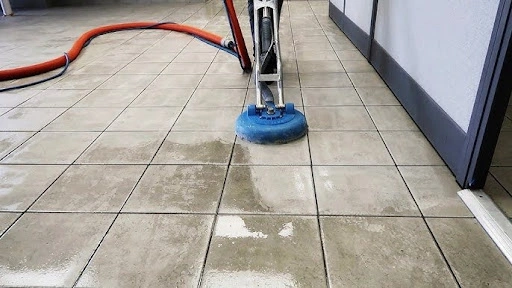
Office floors handle hundreds of footsteps every day. That traffic grinds dirt deep into grout lines where a standard tile cleaner and a mop cannot reach.
The thing that most people miss is that mopping pushes dirty water back into the grout. Tile sits slightly higher than grout lines, so every mop pass forces soil deeper into the pores. That is why picking the best grout cleaner for commercial spaces matters. The wrong product strips sealants, discolors surfaces, or leaves a film that attracts even more dirt.
Key Factors When Choosing the Best Tile and Grout Cleaner
Before you grab a bottle off the shelf, consider these three factors. They determine whether a cleaner helps your floors or slowly destroys them.
Know Your Tile Type
Ceramic and porcelain handle most cleaners without issue. Natural stone like marble, travertine, and slate reacts badly to acidic products, which etch and permanently scar the surface. Epoxy grout is non-porous and needs a cleaner designed for sealed surfaces.
Understand pH Levels
The pH scale runs from 0 to 14 and tells you how a cleaner works. pH-neutral (around 7) is safest for daily office maintenance. Alkaline (above 7) cuts through grease and organic soil. Acidic (below 7) tackles mineral deposits and deep restoration.
Professional cleaners start with alkaline, move to acid only when needed, and never use acid on natural stone.
Match the Cleaner to the Stain
Grease and food spills call for an alkaline cleaner. Hard water and mineral buildup respond best to mild acid. General daily dirt only needs a pH-neutral product. Matching the right best grout cleaner to the job saves time and protects your investment.
Types of Tile and Grout Cleaners Compared
Not every best grout and tile cleaner works the same way. Here is a side-by-side look at the most common types.
| Cleaner Type | Best For | Pros | Cons | Office Use |
| pH-Neutral | Daily maintenance | Safe on all surfaces, protects the sealant | Not strong enough for deep stains | Daily |
| Alkaline | Grease, oil, organic soil | Cuts through heavy grime, safe for most tiles | Needs thorough rinsing, can leave film | Weekly/Monthly |
| Acidic | Mineral deposits, restoration | Powerful stain removal, brightens grout | Damages natural stone, weakens grout if overused | Quarterly max |
| Oxygen-Based | Moderate stains, brightening | Gentler than acid, eco-friendlier | Slower acting, may need repeat applications | Monthly |
| Steam | Chemical-free deep cleaning | No chemicals, kills bacteria | Equipment cost, not ideal for unsealed grout | Quarterly |
For most offices, a pH-neutral tile cleaner handles the daily routine. Pair it with an alkaline cleaner for heavy-duty jobs, and you cover about 90% of your cleaning needs.
Natural vs. Chemical Cleaners (The Honest Trade-Off)
Natural options like baking soda and plant-based formulas work for light maintenance. But high-traffic office floors need commercial-grade cleaners for the heavy lifting.
One common mistake is using vinegar as a regular tile cleaner. Vinegar is acidic and erodes unsealed grout over time. If going green matters, look for EPA Safer Choice certified products instead.
The thing is, most offices need both. A natural cleaner for weekly touch-ups and a stronger commercial formula for monthly deep cleans. Finding the best grout and tile cleaner often means using that combo to protect your floors without overexposing surfaces to harsh chemicals.
Quick Maintenance Tips for Office Tile and Grout
- Sweep or vacuum daily before any wet cleaning to prevent grit from scratching tile.
- Use a pH-neutral tile cleaner for routine mopping.
- Deep clean grout lines monthly with an alkaline cleaner. This single habit is what separates a basic cleaning routine from the best grout cleaner approach.
- Seal grout every 1 to 2 years to block stains and moisture.
- Place mats at entryways to cut down on tracked-in dirt.
- Change mop water frequently. Dirty water redeposits soil straight back into grout.
For more guidance on keeping commercial floors in pristine condition, visit Pacific Modular.
Frequently Asked Questions
What Is the Best Tile and Grout Cleaner?
It depends on your tile type, stain type, and foot traffic. For most offices, a pH-neutral cleaner for daily use paired with an alkaline cleaner for monthly deep cleans gives the best results.
What Is the Best Cleaner for Tile Floors and Grout?
For commercial tile floors, look for a product rated safe for your specific tile material. Alkaline formulas handle grease and organic buildup. pH-neutral products protect sealants during routine cleaning.
What Is the Best Cleaner for Tile and Grout?
The best cleaner matches your grout type (sanded, unsanded, or epoxy) and your biggest cleaning challenge. Check the pH, read the label for surface compatibility, and always test a small area first.
Keep Your Office Floors Clean and Professional
Picking the best tile and grout cleaner starts with knowing your tile, your grout, and the demands your office puts on your floors. The right product keeps your space looking sharp and saves you money on costly repairs.
Need help choosing the right flooring for your commercial space? Get in touch with our team at Pacific Modular. With over 30 years in commercial flooring, we help businesses find solutions that last. Stop pouring money into cleaners that damage your floors and start with a team that knows which products actually work.